
Home Repair Guide
How Much Does LVP Flooring Installation Cost?
Compare typical labor pricing, room prep, subfloor issues, transitions, stairs, baseboards, and how to request a flooring quote.
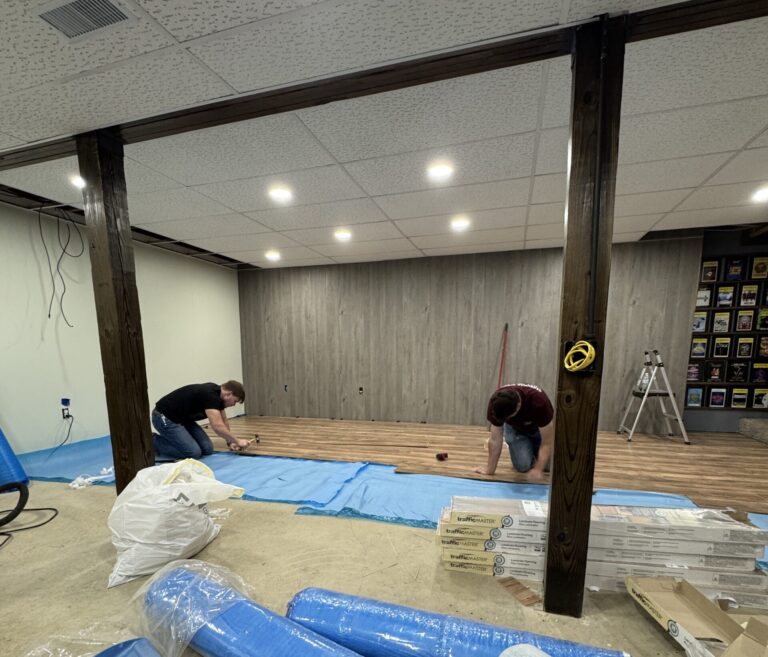
Short answer: typical LVP installation labor often runs $2.50 to $4.50 per square foot. Mister Twister LVP installation is quoted as a starting labor price, and the customer usually purchases the flooring. Room size, demolition, furniture, subfloor prep, transitions, stairs, and baseboards affect the total.
Typical local pricing
LVP installation Indianapolis homeowners compare by square foot, but the square-foot number is only part of the story. A clear room with a flat subfloor is different from a bathroom with old flooring, tight cuts, trim details, and transitions at every doorway.
| Project | Typical labor estimate | Notes |
|---|---|---|
| Typical LVP labor | $2.50-$4.50 per sq. ft. | General local labor range for many straightforward projects. |
| Mister Twister starting labor | Quoted from project details | The dedicated LVP page lists current starting labor and minimum details. |
| Small rooms and bathrooms | Custom quote | Square footage, demo, toilet removal, and subfloor condition matter. |
| Transitions, stairs, baseboards | Custom quote | Extra details can add time beyond basic plank installation. |
Unless a quote says otherwise, expect to purchase the flooring, underlayment if needed, trim pieces, transitions, and related materials. Labor pricing should explain what is included.
What this service includes
Labor-only LVP installation can include laying out the room, preparing the surface, installing planks, making cuts around walls and doorways, fitting transitions, and reinstalling or working around trim depending on the scope. Some projects need old flooring removed first, while others are ready for installation.
- Installing customer-supplied LVP flooring in suitable rooms
- Cutting planks around doorways, corners, vents, and obstacles
- Adding transitions and basic trim details when included in the estimate
- Reviewing subfloor condition before installation begins
- Helping with small flooring updates before selling, renting, or moving in
Good LVP work depends on prep. Flooring installed over uneven or damaged surfaces can move, separate, or look unfinished.
Common problems homeowners call about
Homeowners often request LVP for bathrooms, laundry areas, basements, bedrooms, rentals, and rooms where carpet or worn flooring no longer fits the way the home is used.
- Replacing carpet in a bedroom or small office
- Installing water-resistant flooring in a bathroom or laundry area
- Updating a basement room or finished lower level
- Repairing or replacing a limited section of plank flooring
- Preparing a home for sale with cleaner, more consistent floors
What affects the final price?
The final price is affected by what has to happen before the first plank goes down. Demolition, furniture, uneven subfloors, tight spaces, and finish details all matter.
- Total square footage and room shape
- Furniture moving and old flooring removal
- Subfloor flatness, moisture concerns, damage, or squeaks
- Number of doorways, transitions, vents, and tricky cuts
- Baseboard removal, shoe molding, caulk, and paint touch-ups
- Stairs, closets, bathrooms, toilets, and appliance areas
Send measurements, photos, and the flooring product if you already chose it. The locking system and plank size can affect installation time.
What to look for when hiring someone
For LVP, hire someone who cares about layout and prep. The first row, expansion gaps, transitions, and subfloor condition influence how the floor looks months later.
Ask whether the quote includes demolition, furniture moving, baseboards, transitions, quarter round, toilet removal, and cleanup. A clear installer will explain what materials you need to buy and what conditions could change the quote.
Red flags to avoid
- Pricing only by square foot without asking about prep or room details
- Ignoring uneven subfloors or moisture concerns
- Not discussing transitions, baseboards, or door jamb cuts
- Starting installation before confirming product instructions
- Requesting full payment before the scope and materials are clear
When a specialist or permit may be needed
A flooring specialist, plumber, or other contractor may be needed if the project involves major subfloor replacement, active moisture problems, structural floor issues, asbestos concerns, or significant plumbing work in bathrooms. A handyman can be a good fit for smaller, straightforward LVP projects when the underlying conditions are suitable.
Frequently asked questions
Do I buy the flooring?
Yes, unless your written quote says otherwise. Most labor-only LVP projects assume the customer purchases the flooring and accessories.
Can LVP go in a bathroom?
Often, yes, but the subfloor, toilet area, transitions, and moisture conditions need to be reviewed.
Why is a small room not always cheap by square foot?
Setup, cuts, transitions, trim, demolition, and minimum visit time still matter even when the room is small.
Can old flooring stay in place?
Sometimes, but it depends on height, condition, manufacturer instructions, and whether the surface is flat and stable.
Request a Quote
Need help with this project?
Send Mister Twister Repairs the project details, room location, approximate size, and any photos that help explain the issue. You will get a practical next step for your Greenwood, Indianapolis, Carmel, or nearby Central Indiana home.